“Fifteen years ago, the internet was an escape from the real world. Now, the real world is an escape from the internet.”
Noah Smith
How have you used AI lately, or have you used it at all? Maybe you’ve created a humorous image for a birthday card, uploaded a photo of a room you’re thinking of decorating to test a colour scheme, or, like me, used it as a super-fast Google that gets straight to the point without all the distractions. Or perhaps you’re a tech expert who sees it as something that could change the way you work, or help you create an entirely new role, company, platform, or product.
My guess is that most of us have been using AI in the form of LLMs (Large Language Models). An LLM is a type of AI designed to understand and generate human language. It’s trained on vast amounts of text (books, articles, websites, transcripts and more), allowing it to recognise patterns in how language works and predict what words are likely to come next in a sentence.
In short, it can:
- Answer questions
- Summarise articles
- Write or edit text
- Translate languages
- Generate ideas, scripts or code
Of course, I used AI to find this out, after hearing the term “LLM” while listening to the fascinating BBC Radio 4 programme Is the AI Bubble About to Burst? – which is well worth a listen. It’s far too complex to explain here, but it reinforces much of my thinking about the current hype surrounding AI.
Depending on your viewpoint, AI is either the best or the worst technology ever invented. But one thing is certain: there is a huge amount of money being invested in making it successful, with no guarantee that the returns will match what venture capitalists and technology companies are banking on. If an AI bubble does burst, it won’t just affect Silicon Valley – it will impact the stock market and ultimately impact people like you and me.
There seem to be two broad camps when it comes to AI. On one side are those increasingly wary of deepfakes, misinformation and the erosion of trust in media and politics. On the other are those who see AI as a way to optimise systems, improve processes and ultimately make vast amounts of money. In short, it could be transformative – or it could be disastrous, financially and socially – and most of us are somewhere in the middle.
What’s undeniable, however, is how compelling the narratives around AI are. The promise of new revenue streams is hugely attractive to investors, tech companies, corporations, and governments alike.
When someone tells you that something is “the next big thing”, do you believe it? Or are you sceptical or wary and inclined to research before truly believing? We’ve been here before haven’t we – the Metaverse, NFTs, Second Life, Google Glass, blockchain. Each arrived with powerful narratives and huge hype. Some ideas were interesting, made money, or made life easier and more entertaining. Most didn’t and I wonder what the tech bros who bought NFT cryptokicks (trainers) are doing with them now. They’re certainly not selling them on Vinted.
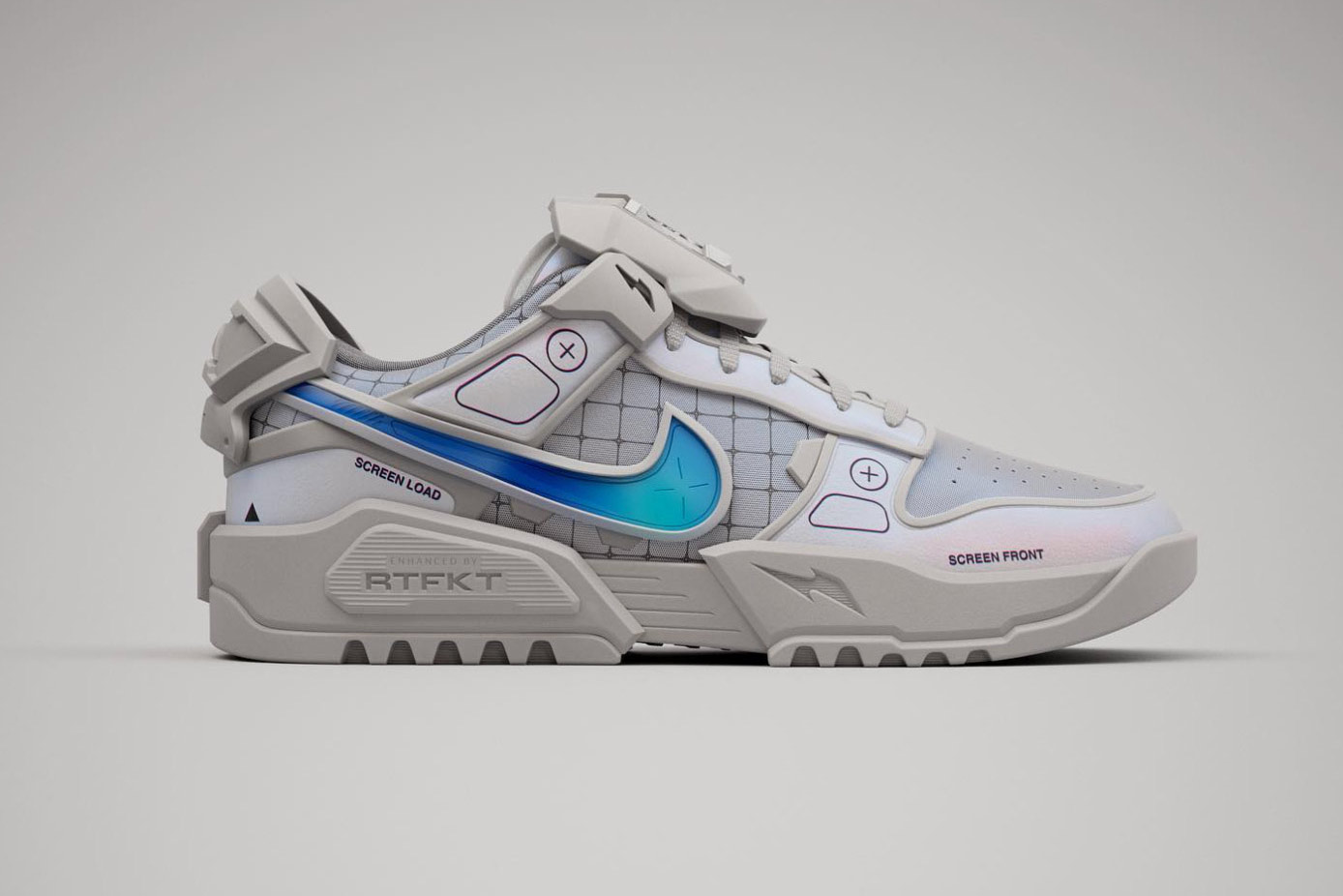
The value of Nike Dunk Genesis CRYPTOKICKS has dropped by over 99%, falling from prices in the thousands of dollars at peak hype to roughly tens of dollars today.
AI may well be different – but history suggests it’s worth approaching with a healthy degree of cynicism, while keeping an eye out for the ways it can make our jobs/lives easier. And this, for me, is the key. As designers, AI shouldn’t take our jobs, it should help us do them more efficiently, faster where necessary and act as a tool, like Photoshop, Procreate or CLO3D, but on a far larger scale. Seeing it this way helps relieve some of the pressure many creatives feel to integrate AI into their creative processes at every level.
One of the interesting aspects of being an external consultant is the conversations you have with clients. Over time, people open up and share how their roles and the industry are changing. AI is often at the centre of these conversations, particularly as many larger companies increasingly require AI-driven data to support future strategies.
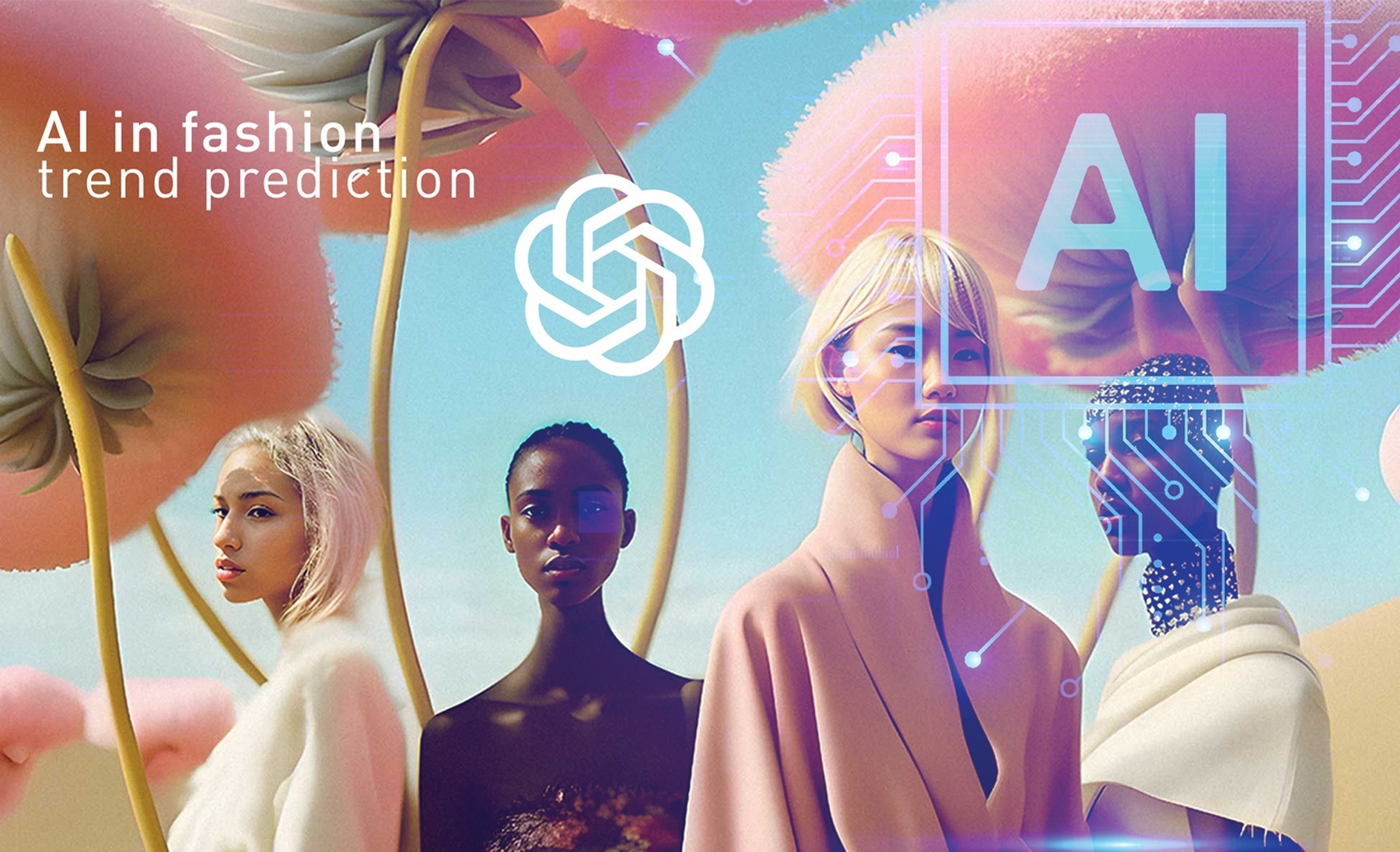
This is where I fundamentally disagree with the idea of using AI to “predict the future”. AI can only look backwards or analyse the present and it is entirely dependent on references that already exist. At a time when brands need to strengthen their individual identities and stand out in an increasingly difficult market, relying too heavily on data to drive design decisions is not only depressing – it feels dangerous.
Looking backwards is not how innovation happens and as Diana Vreeland famously said:
“You’re not supposed to give people what they want – you’re supposed to give them what they don’t know they want yet.”
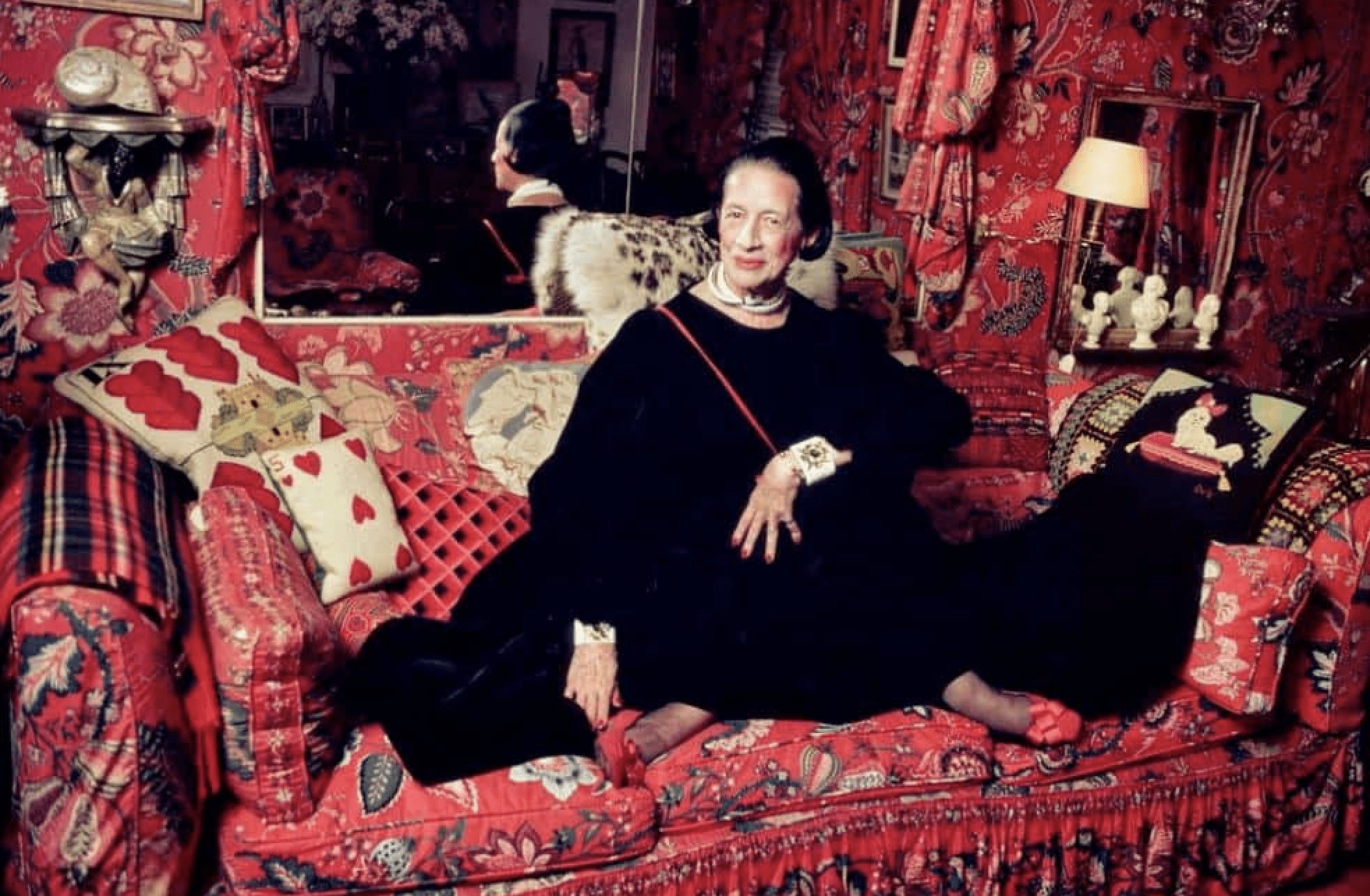
Diana Vreeland
Intuition = lived experience, taste, and instinct, and is a fundamentally human quality that AI cannot recognise. It’s also something non-creatives often struggle with, preferring spreadsheets and data to validate decisions tied to large financial commitments. And who can blame them? It’s easy to say “I feel red will be big this season” when you’re not the one signing off an order for 20,000 red tops – especially when red was a poor seller last season.
But here’s the dilemma, data might tell you this is a bad decision. But instinct and the cultural zeitgeist might be saying something entirely different. Several major stars wore red to the Grammys. Influential lifestyle brands are using red in their packaging. The hottest new restaurants are choosing red for their interiors. And several fashion-forward designers have featured red prominently in their latest runway collections. Much of this sits under the radar as far as AI is concerned – yet everything in your finely tuned, spidey-sense designer intuition tells you red is going to be big.
Perhaps it won’t justify 20,000 units – and this is where intelligent conversation and balance come in – but it cannot be ignored, regardless of what last season’s data says.
Of course, AI offers enormous benefits in areas such as pattern cutting, production, supply chains, distribution, customer service, and personalisation. But what it cannot replace is taste, cultural reference, brand identity, or the confidence to take creative risks based on intuition.
As some major trend forecasting companies (mentioning no names) increasingly prioritise data over genuinely future-focused ideas and I worry that unquantifiable qualities are being edged out. Younger designers, in particular, are often not given the time or space to develop instinct, instead they are encouraged to constantly justify cultural research and gut feeling, using data.
That said, I was encouraged by a recent conversation with designers at one of the UK high street’s most successful retailers. Their chairman has actively encouraged them to continue being creative and to treat AI as a tool, not a replacement for originality. Hallelujah – and long may that approach continue.
As Trend forecasters, imagination, intuition, taste and cultural understanding will remain at the heart of what we do and AI will be a collaborator, enabling innovation and efficiency. We will continue to inspire creativity and encourage innovation and hope you’ll stick around for the ride – it’s going to be an interesting one….